Finding the right metal for your application is an essential task. Depending on the industry and application, you may need metal that can withstand extreme temperatures, resist corrosion, absorb heavy impact, or meet specific safety standards. When it comes to industrial manufacturing, the stakes are high. Equipment can come into contact with some of the hottest, most corrosive, and heaviest conditions.
Read on to learn the most common metals used in industrial manufacturing and when to use which. Then, discover your go-to metal supplier for the industrial manufacturing industry.
Oil and Gas
Drilling, refining, and oil and gas transport are extremely demanding environments. Metals used in these applications must be able to withstand high pressure, extreme temperatures, and corrosion from compounds like hydrogen sulfide and salt water. These conditions cause ordinary metals to corrode or fail, so specialty alloys are a must.
On top of these conditions, manufacturers of oil and gas infrastructure must abide by strict material traceability requirements. Certified mill test reports are also required by industry code.
Common metals used in the oil and gas industry include:
- Carbon steel: Commonly used for pipelines and basic structural parts.
- Chrome-moly steel: This alloy steel for oil and gas applications is used whenever strength at high temperatures is a must, like in pressure vessels and valve bodies. 4130 and 4140 are among the most common grades.
- Nickel alloys: Nickel alloys are highly resistant to corrosion from hydrogen sulfide, chloride, and other aggressive materials. Nickel alloys are used when other metals just won’t cut it.
Chemical Processing
Chemical plants require acids, solvents, caustic solutions, and other aggressive materials. The metals used in these applications need to resist corrosion when in near-constant contact with these chemicals.
While chemical processing structures are typically made from carbon steel, stainless steel is the most common choice for parts that come into direct contact with chemicals. It has good corrosion resistance, easy to clean, and meets the pressure and temperature requirements of chemical processing. The most common grades include:
- 304 stainless: Can withstand mildly corrosive environments and exposure to most chemicals.
- 316 stainless: The addition of molybdenum improves 316 stainless’s corrosion resistance, making it a better choice when chloride is present.
Heavy Equipment
Construction machinery, agricultural equipment, industrial machines, and other types of heavy machinery require metals that can resist impact, constant wear, and repeated stress without breaking, failing, or deforming.
Alloy steels tend to be a great choice for gears, shafts, axles, and other parts that undergo repeated use. They are heat-treated for exceptional hardness and toughness, so they’re sure to last. Common grades of industrial metal for heavy equipment manufacturing include:
- 4140: Steel, chromium, and molybdenum. Offers high strength, good toughness, and good fatigue resistance.
- 4340: Similar to 4140, but with the addition of nickel, which lends higher strength and toughness for higher-stress applications.
Food Processing
Equipment used for food processing has to be safe for contact with food and easy to clean. Metal used in these applications must be non-porous, corrosion resistant, and cannot react with food. All metal used in food processing equipment must meet strict food safety standards set forth by both the FDA and USDA.
Stainless steel for industrial manufacturing is the go-to choice for food processing equipment. Parts that come into contact with food are commonly made from:
- 304 stainless: Made from chromium and nickel for a fairly inexpensive metal that has good corrosion resistance.
- 316L stainless: Includes molybdenum for greater corrosion resistance.
Automotive
In automotive manufacturing, metals are used in a range of different applications, from the construction of body panels to engine components and exhaust systems. Each application requires a different type of metal to meet a unique set of needs.
Common metals include:
- Carbon steel: A strong, durable, and cost-effective steel most commonly used in automotive frames, chassis, and body panels.
- Aluminium: Lightweight, non-corrosive, and high strength. Aluminium and aluminium alloys are used for engine and suspension parts when weight is a concern.
- Alloy steel: Very strong and hard, commonly used in parts that hold heavy loads like crankshafts and transmission shafts.
Mining
Mining equipment must operate in very harsh conditions with constant impact, abrasion, and moisture. Mining typically happens in remote locations, meaning repairs and replacements are hard to come by. Materials must be dependable and withstand significant stress.
Metals used in industrial manufacturing of mining equipment include:
- Manganese steel: This steel is work hardened, so repeated impacts actually improve its hardness.
- Alloy steel: A strong and hard material commonly used for drill components and drive shafts.
- Nickel-chromium alloys: Used when high temperatures and corrosive environments are present.
Petrochemical
Petrochemical plants process crude oil and natural gas to produce chemicals and fuel. Equipment in petrochemical applications needs to withstand extreme temperatures, thermal cycling, and highly corrosive materials. Certified material documentation is also required to meet strenuous standards.
Common metals used include:
- High-temperature stainless: Designed to withstand extreme heat above 1,000°F. These materials contain higher carbon content or compounds like molybdenum and niobium to improve their temperature resistance.
- Nickel alloys: Highly corrosive resistant and capable of withstanding the most severe conditions.
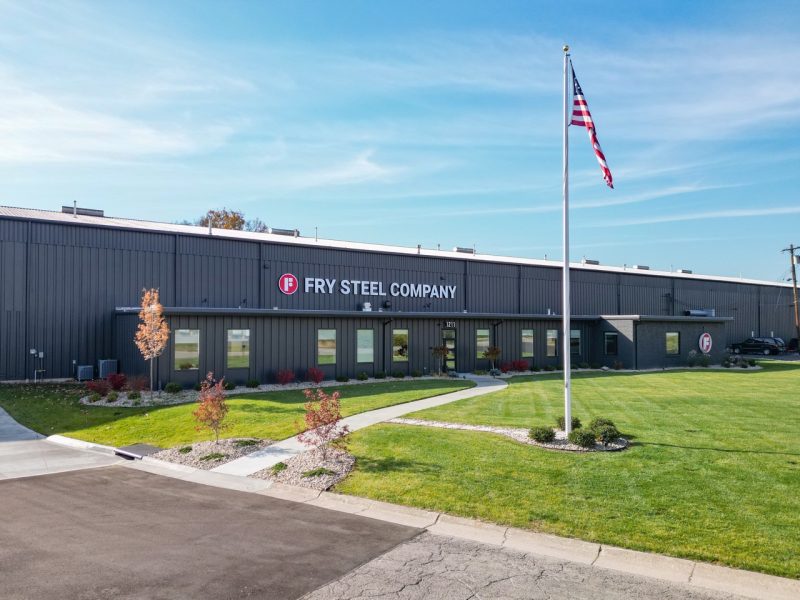
Why Industrial Manufacturers Choose Fry Steel
Finding the right metal is only one part of the job. Ensuring metal quality and getting it in on time are just as important. Fry Steel offers:
- Wide range: We are an industrial grade metal bar stock supplier with a large inventory including carbon steel, alloy steel, stainless steel, and specialty metals in bar, plate, tube, and other forms.
- Geographic reach: We have geographic reach across California, Ohio, Illinois, Indiana, Michigan, Pennsylvania, and Florida to cover major manufacturing and industrial regions across the country.
- Same-day and next-day shipping: When a part fails, fast delivery matters. Minimize downtime with our fast shipment options.
- Certifications and traceability: We will provide all necessary documentation to ensure your compliance in regulated industries.
Ready to get started? Find a Fry Steel rep in your area today.