Aluminum is a cornerstone of modern aircraft design—but not just any aluminum. Commercial and private airlines, defense operations, and space-exploration aircraft all use what’s called “aviation aluminum,” a specially manufactured type of aluminum spanning various grades that can hold up to extreme conditions.
Learn all about this type of aluminum and its associated certification programs and specification standards, physical and mechanical properties, temper designations, and specific uses.
What Is Aviation-Grade Aluminum?
Aviation-grade aluminum (sometimes called “aerospace aluminum” or “aircraft aluminum”) is a category of high-strength, AMS-specification aluminum alloys engineered specifically to meet the strength, fatigue, resistance, weight, and traceability requirements of certified aircraft programs. It uses specific alloying elements, like copper, magnesium, and zinc, to strengthen and enhance the existing material so that it meets the demanding requirements of its intended use.
Whereas standard commercial aluminum is low to moderate strength, has moderate machinability, and is optimal for commercial uses such as consumer goods and packaging, aviation-grade aluminum is specially crafted in various grades that can withstand extreme conditions, including temperature swings, heavy loads, corrosion, and more. This type of aluminum is low weight–high strength, with high tensile and yield strength and high machinability.
Certifications for Aviation-Grade Aluminum
Because it’s used in strict regulatory environments, aviation-grade aluminum has to be certified and traceable to meet industry requirements. Here are the types of certifications to look for when buying from a California aluminum supplier or one in another state:
- Aerospace Material Specification (AMS): Developed by SAE International, AMS standards define how certain manufacturing materials should perform, their physical properties, traceability, and more. Each aluminum grade, and each use within each grade, may need to comply with different AMS standards.
- American Society for Testing and Materials (ASTM): ASTM standards complement AMS standards by adding another layer of quality assurance. ASTM standards dictate tolerances, testing procedures, chemical compositions, and product specifications.
- ISO 9001/AS9100D: ISO 9001 is a widely recognized quality management system standard for companies, developed by the International Organization for Standardization. AS9001D provides additional requirements specifically for the aerospace industry.
Three Common Grades of Aviation Aluminum
There are many different aluminum metal grades, but the following are three of the most common in the aerospace industry.
7075
7075 aluminum is one of the most common aviation-grade aluminums. It’s the highest-strength aviation aluminum, alloyed with zinc, magnesium, and copper to produce an extremely strong, fatigue-resistant material. It also has good corrosion resistance, good machinability, and an exceptional strength-to-weight ratio. However, because this aviation aluminum has low weldability due to a combination of the specific alloyed elements and heat treatment process—this is one of its only downsides.
7075 aluminum comes in several temper designations, with 7075 T6 and T651 being the most widely recognized and used in the aviation space for their high tensile strengths and ability to withstand high stress.
Common applications include high-stress structural parts, such as wing spars, landing gear brackets, and heat shields of spacecraft.
2024
Widely available and ubiquitous in the aviation industry is 2024 aluminum, known for its high strength-to-weight ratio, fatigue resistance, and ability to withstand high and fluctuating temperatures. It’s alloyed primarily with copper, with smaller amounts of magnesium and manganese. These elements, paired with the precipitation hardening heat treatment, create a material that can hold up to extreme environments and repeated stress. However, it’s less corrosion resistant than other aviation aluminum grades and has low weldability.
Coming in temper designations such as T351, T4, T851, and T3511, 2024 aluminum is frequently used to make fuselage skins, wing panels, and other tension-loaded structures.
6061
Highly corrosion resistant and very weldable, 6061 aluminum is considered the workhorse of structural airframe components, fuel tanks, and rotors—all of which require a weldable material that is resistant to corrosion. 6061 aluminum is widely used in aviation and other industries due to its versatility and lightweight strength and comes in several temper designations, such as T-6, T651, and T6511.
The drawbacks to 6061, in comparison with 2024 and 7075 aluminum grades, is that it doesn’t have as high tensile or yield strength or fatigue resistance.
Where to Buy Aviation Aluminum
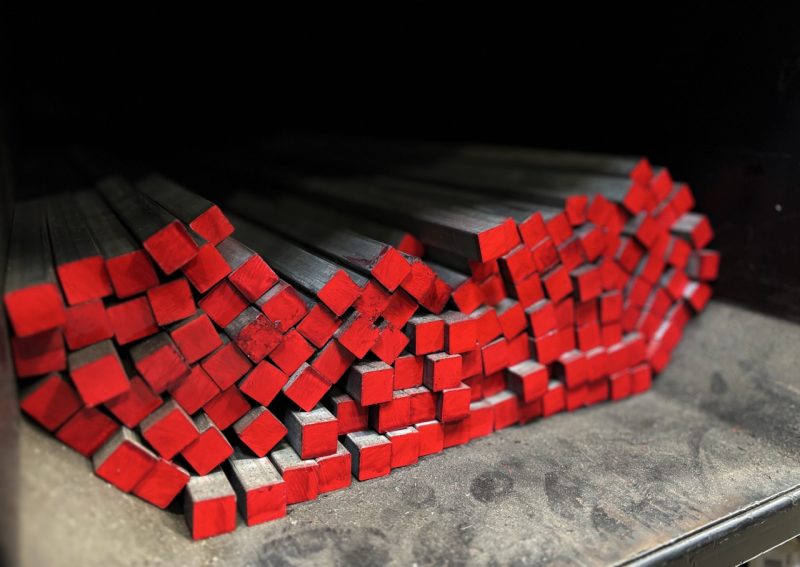
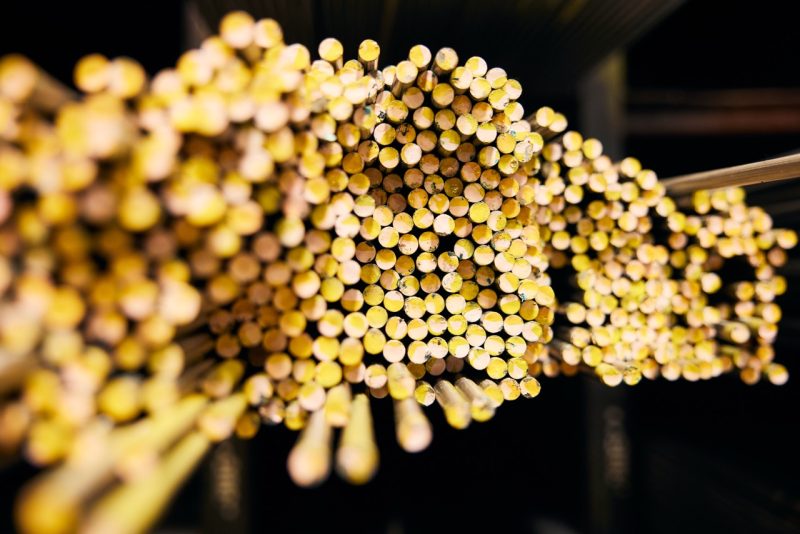
When you’re seeking an aerospace aluminum supplier in the USA, look no further than Fry Steel, a certified U.S. distributor stocking aviation aluminum in cold-finished and extruded bar. We offer a range of sizes, from 1/16-inch to 24-inch diameters, in round, flat, hex, and square shapes.
At Fry Steel, we understand the rigorous aviation safety standards that must be upheld, and we carry the necessary certifications, including AS9100/AS9120B and ISO 9001. Our aluminum grades follow all required specifications and have full material traceability.
Start sourcing your aviation aluminum with Fry Steel today—get in touch with one of our reps.